Six Andalusian buttonquail chicks hatch in Jerez, the first breeding of a species extinct in Spain
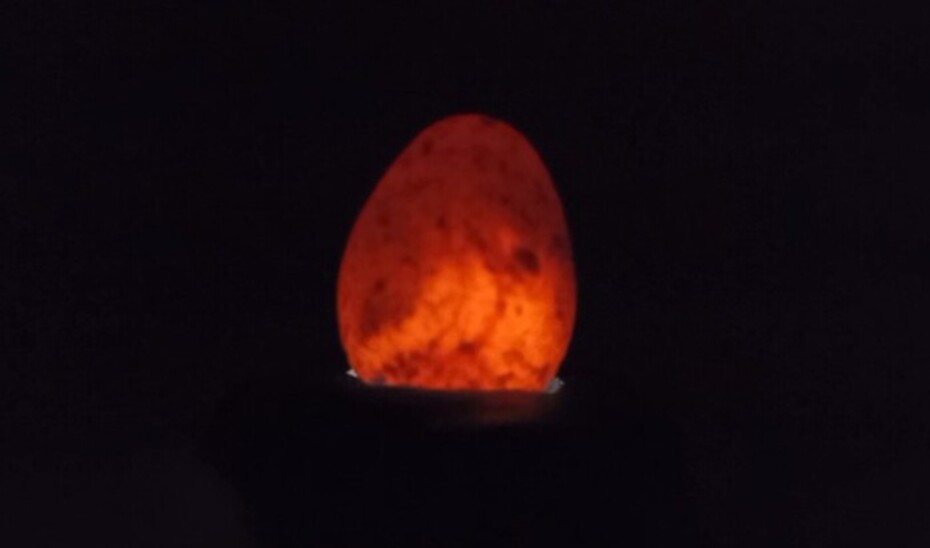
Jerez Zoo has achieved the hatching of six Andalusian buttonquail chicks, the first captive clutch within the reintroduction programme for a species extinct in Spain. A seventh egg remains incubating with favourable progress.
FJCG ·
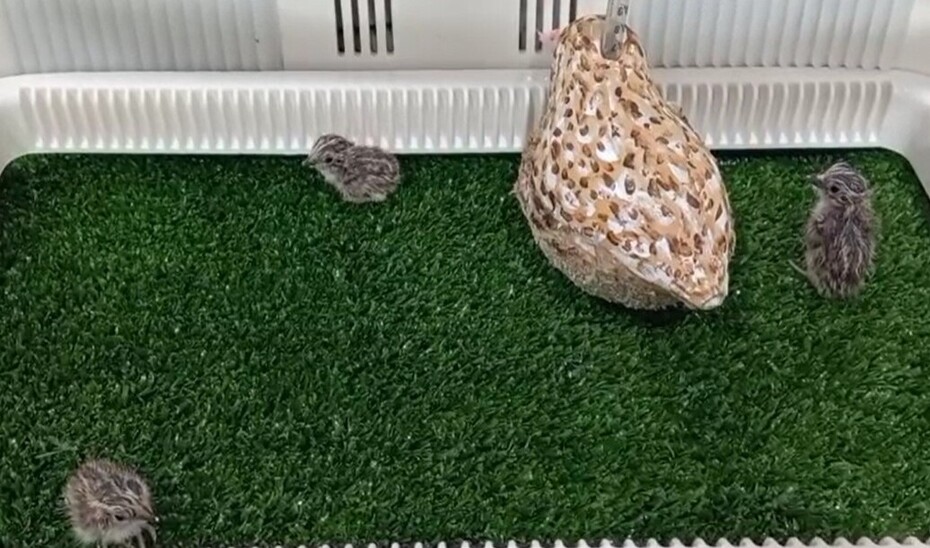
The Zoobotánico de Jerez Biodiversity Conservation Centre, in Jerez de la Frontera (Cádiz), has achieved the hatching of the first Andalusian buttonquail bred in captivity within the species' reintroduction programme in Andalusia. They are six chicks that hatched between the early hours of Sunday, October 11 and the afternoon of Monday, October 12, and are progressing favourably. A seventh egg remains incubating.
Where they come from
The six chicks come from the first clutches of two females from the group of 18 birds that arrived last September from Morocco. In barely a month and a half, those two females laid four eggs in one facility and three in another. All seven were incubated artificially, with adjusted temperature and humidity, and the technicians monitored their development with two weekly checks.
What it means
The Andalusian buttonquail (Turnix sylvaticus sylvaticus) is extinct in Spain. Breeding outside the natural environment, under specialised care, provides a safety margin against the risk of extinction, according to the Regional Ministry of Sustainability and Environment, which collaborates in the programme with other administrations, scientific institutions and organisations from Spain and Morocco. The approach follows the path used to recover other highly threatened species, such as the Iberian lynx.
The only confirmed population of the species survives in an enclave on the Atlantic coast of Morocco, linked to traditional crops and market gardens, with a few hundred individuals and a declining trend. Coastal urbanisation and agricultural intensification in the 19th and 20th centuries are among the causes of its disappearance from the rest of its historical range.
How they are bred
The chicks are in the brooder, where temperature and humidity are controlled, with humidity dropping by around half a degree per day. Each one wears a ring to track its growth and manage the genetics of the breeding population. They are fed every 30 minutes, with a record of what each specimen eats, based on mealworm larvae and small crickets, and later seeds, feed, carrot, green leaf and millet are added.
Next steps
The aim is that, once a breeding nucleus is consolidated in Jerez, its descendants can be reintroduced into enclaves on the Andalusian coast. At least four more campaigns are planned in Morocco in the coming years to assemble a large breeding group with the greatest possible genetic variability. In parallel, a second nucleus operates at the Aïn Sebaâ Zoological Park, in Casablanca, coordinated with the one in Jerez, which centralises the studbook of the captive population.