An educational workbook from the IAPH brings the wreck of the Delta II in Cádiz closer to young people
Topics Instituto Andaluz del Patrimonio Histórico
The Regional Ministry of Culture publishes a booklet about the Genoese ship sunk in Francis Drake's attack in 1587, identified with the Delta II site. It can be purchased in cultural shops.
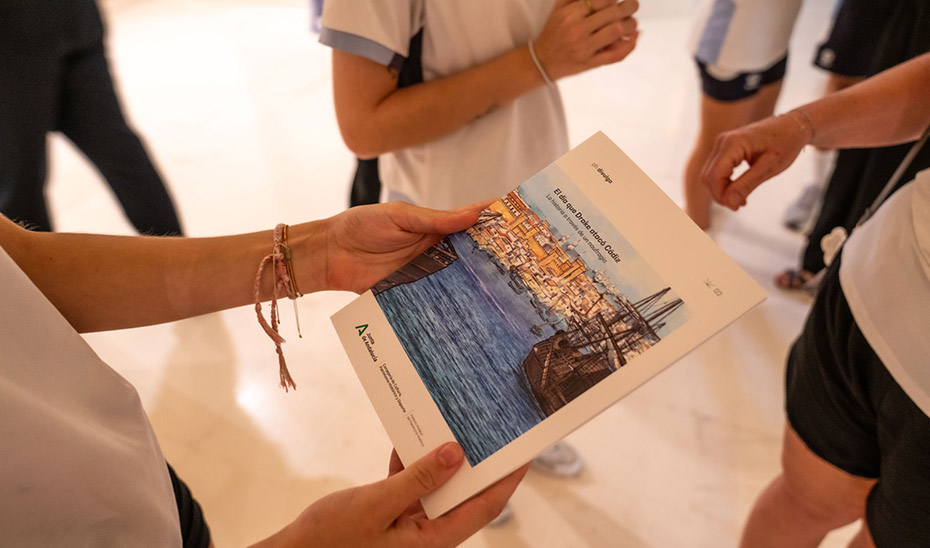
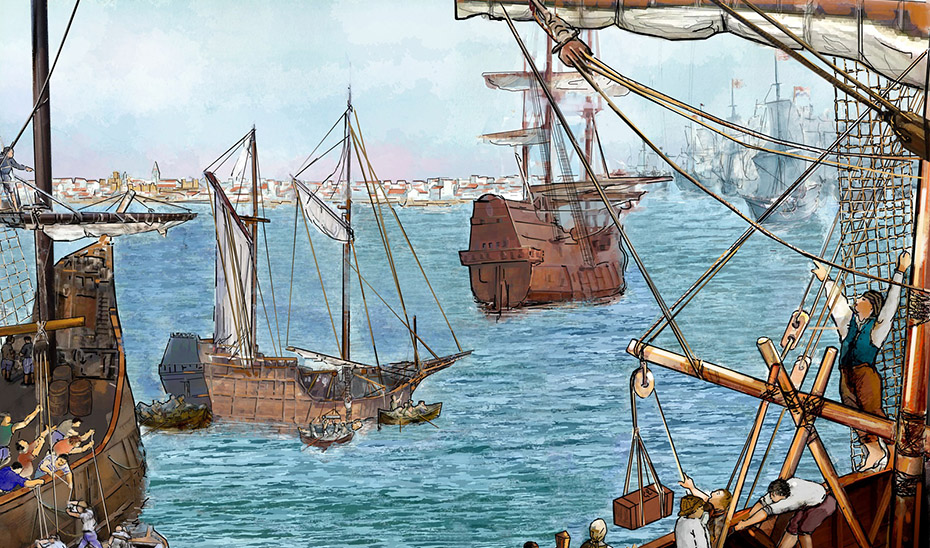
The Instituto Andaluz del Patrimonio Histórico (IAPH), under the Consejería de Cultura, Patrimonio Histórico y Deporte, has published an educational booklet to bring underwater archaeology closer to young people through a specific episode: the attack by the English corsair Francis Drake on Cádiz in 1587 and the sinking of the Genoese ship 'San Giorgio e Sant'Elmo Buonaventura', identified with the remains of the Delta II archaeological site.
What the publication tells
The booklet, titled 'El día que Drake atacó Cádiz. La historia a través de un naufragio', reconstructs with original texts and illustrations the trajectory of this vessel, which was part of the commercial, political and military networks of the 16th century. The publication has been editorially and scientifically coordinated by the IAPH within its 'e-ph divulga' collection.
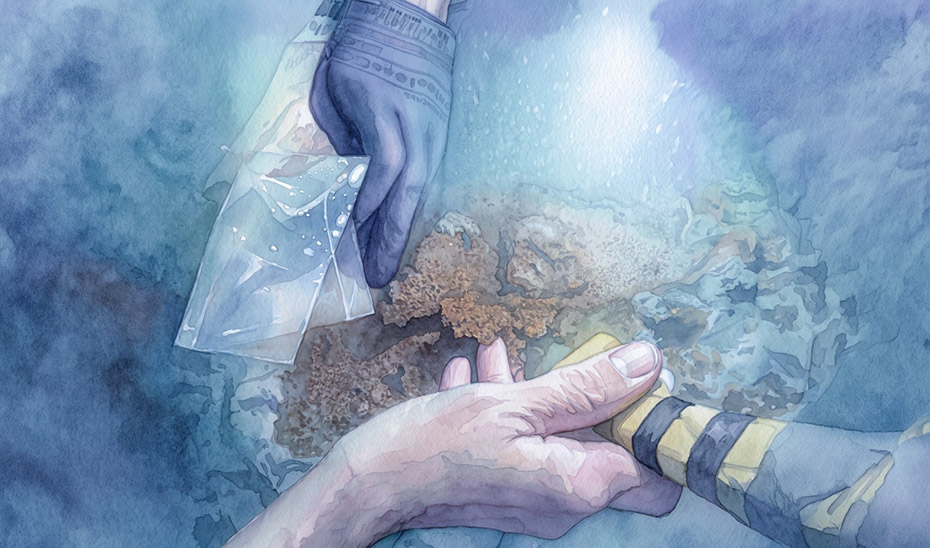
The book details the history of the Delta II wreck, located in 2012 during the archaeological work linked to the construction of the first phase of the new container terminal at the Puerto de Cádiz, promoted by the Autoridad Portuaria de la Bahía de Cádiz (APBC). From there, the Centro de Arqueología Subacuática del IAPH carried out research and intervention work at the site until identifying the vessel as the 'San Giorgio e Sant'Elmo Buonaventura', also called 'Vassalla Piccola', sunk during Drake's attack in 1587.
How to acquire it
The booklet can be purchased in printed and digital versions through the Tiendas Culturales de Andalucía.
Statements
The consejera de Cultura, Patrimonio Histórico y Deporte, Patricia del Pozo, has highlighted that the researchers of the IAPH and the CAS, in addition to carrying out benchmark scientific studies, fulfil the commitment to make known to Andalusian society, and especially to young people, the value of submerged cultural assets, «a fragile heritage, often invisible, and especially vulnerable, but which constitutes an exceptional source of knowledge for understanding our past». Del Pozo added that she hopes its reading will awaken «curiosity, emotion and commitment to the conservation of Andalusian maritime heritage».