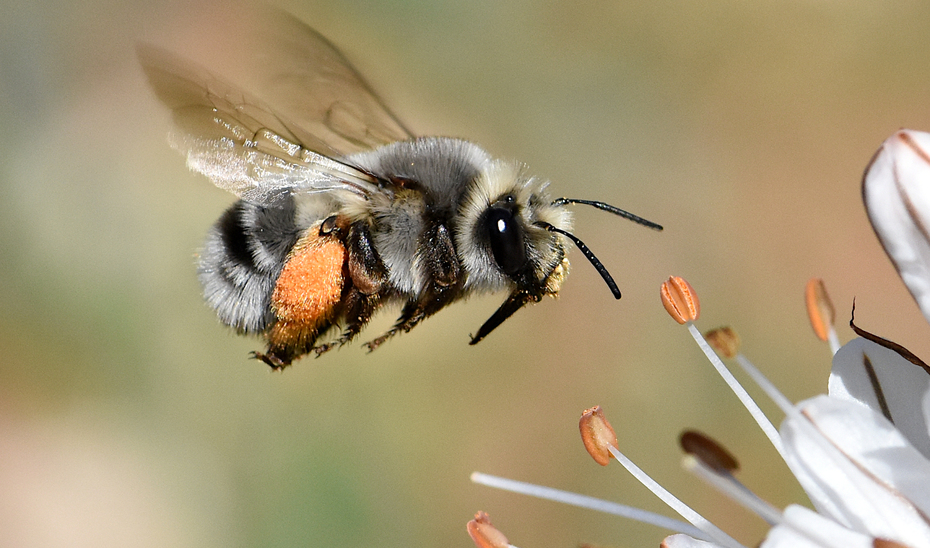
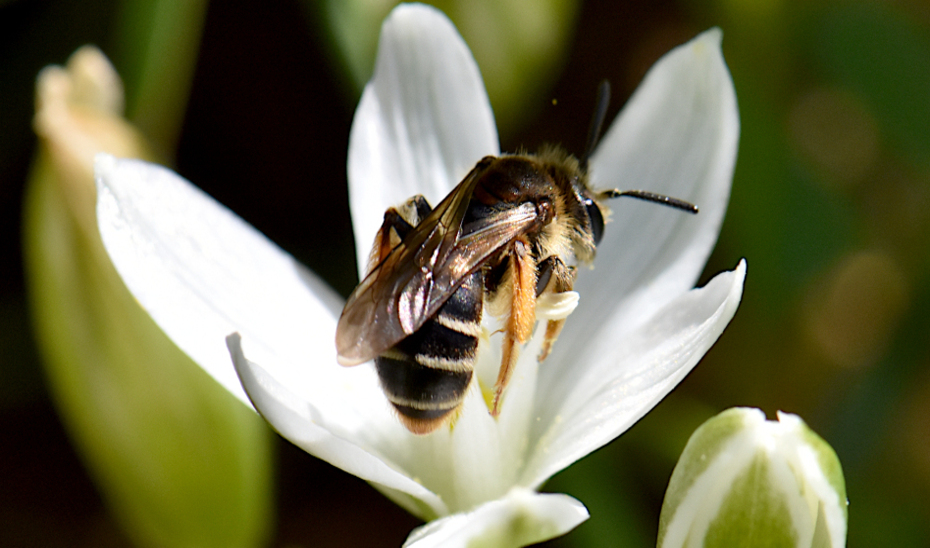
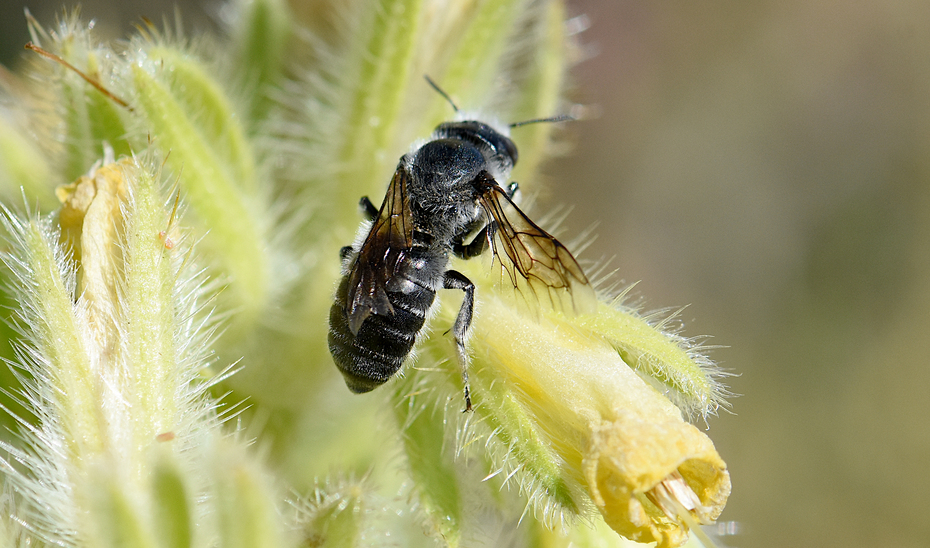
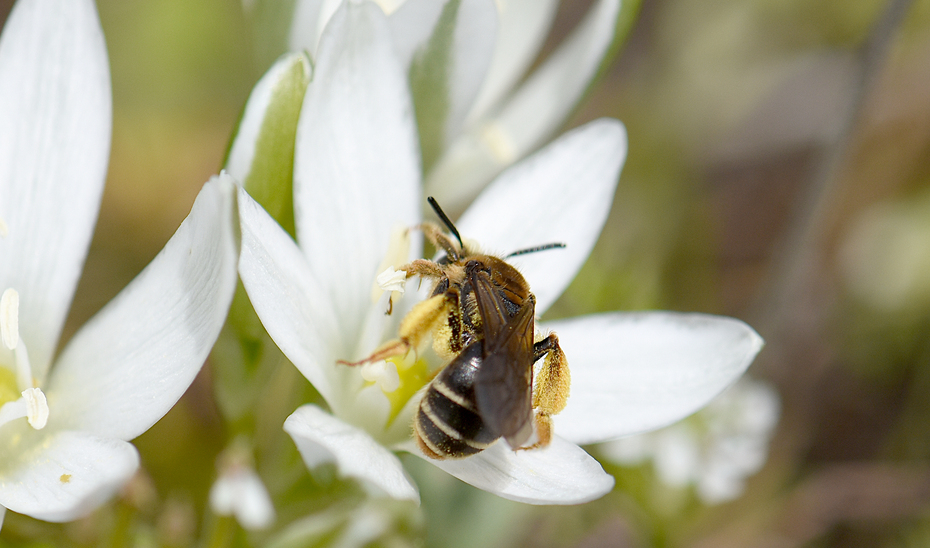
The Parque Natural de las Sierras de Cazorla, Segura y Las Villas (Jaén) has 410 species of wild bees, almost two thirds of those in Andalucía and a third of those in the peninsula.
AndalucíaYa newsroom
·
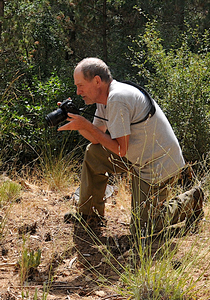
Photo: Carlos Herrera Maliani)
La Sierra de Cazorla is the Spanish protected natural area with the highest recorded diversity of wild bees. In its more than 209,000 hectares live 410 species, spread across 46 genera, which pollinate close to 300 species of plants, among them some rare or threatened ones such as the alfilerillos de Cazorla and the narciso de Cazorla.
That figure represents practically two thirds of the species distributed across Andalucía and around a third of those in the Iberian peninsula, as detailed by the Consejería de Sostenibilidad y Medio Ambiente, which manages the park. The area was declared a Biosphere Reserve by Unesco in 1983.
Four species new to science
Scientific studies of these populations have been ongoing for 30 years, mainly by researchers from the Estación Biológica de Doñana (EBD), of the Consejo Superior de Investigaciones Científicas (CSIC). As a result of that work, Cazorla has added four new bee species to science. Three belong to the genus Andrena: the Andrena cazorlae, named after the place where it was first recorded; the Andrena officinalis, after the rosemary it feeds on; and the Andrena rostro, after its elongated head. The fourth, the Hoplitis sulayr, is shared with Sierra Nevada and only visits the flowers of the ojo de lobo.
The EBD-CSIC researcher Carlos Herrera Maliani, with more than 40 years of study of the relationships between plants and animals, points out that «pollinating insects, particularly wild bees, are declining dramatically worldwide; this is a serious matter because of the impact it has on plant reproduction, including that of many species that provide us with food». In the field, he adds that «we still have yet to discover between 10 and 15% of the bee species present».
Why there are so many here
This presence is due to the park's relief and flora. The sierra is home to 28% of the plant species of the peninsula and 57% of those of Andalucía, which offers many food options. The terrain also provides varied habitats: riverbank forests, grasslands, mountain areas with scrub, cliffs and loose-dirt paths. To this is added the good state of conservation, far from threats such as the use of pesticides, high levels of nitrogen in the soil or habitat loss, common causes of bee decline in areas of intensive agriculture.
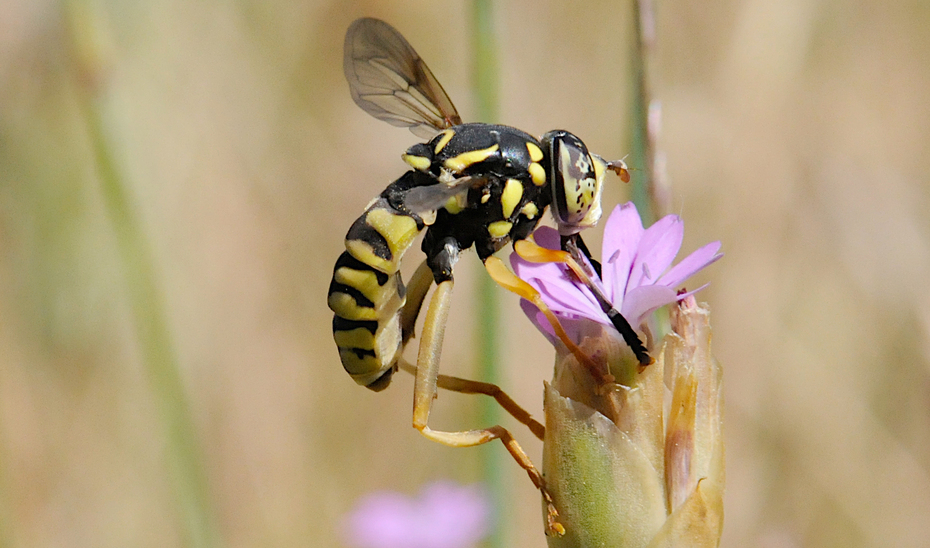
Bees are not the only pollinators. Beetles, flies and butterflies also do so. The laureola, which flowers in winter, depends on small beetles, and the esfinge colibrí sips the nectar of the violeta de Cazorla thanks to its long proboscis, of about 28 millimetres.