29-N general election in Andalucía How to vote, the calendar and every result since 1977

Families of premature babies share their experience at the Clínico San Cecilio

Four families of children born prematurely and the professionals who cared for them share this Monday in Granada what the admission and the return home were like.

AndalucíaYa newsroom ·
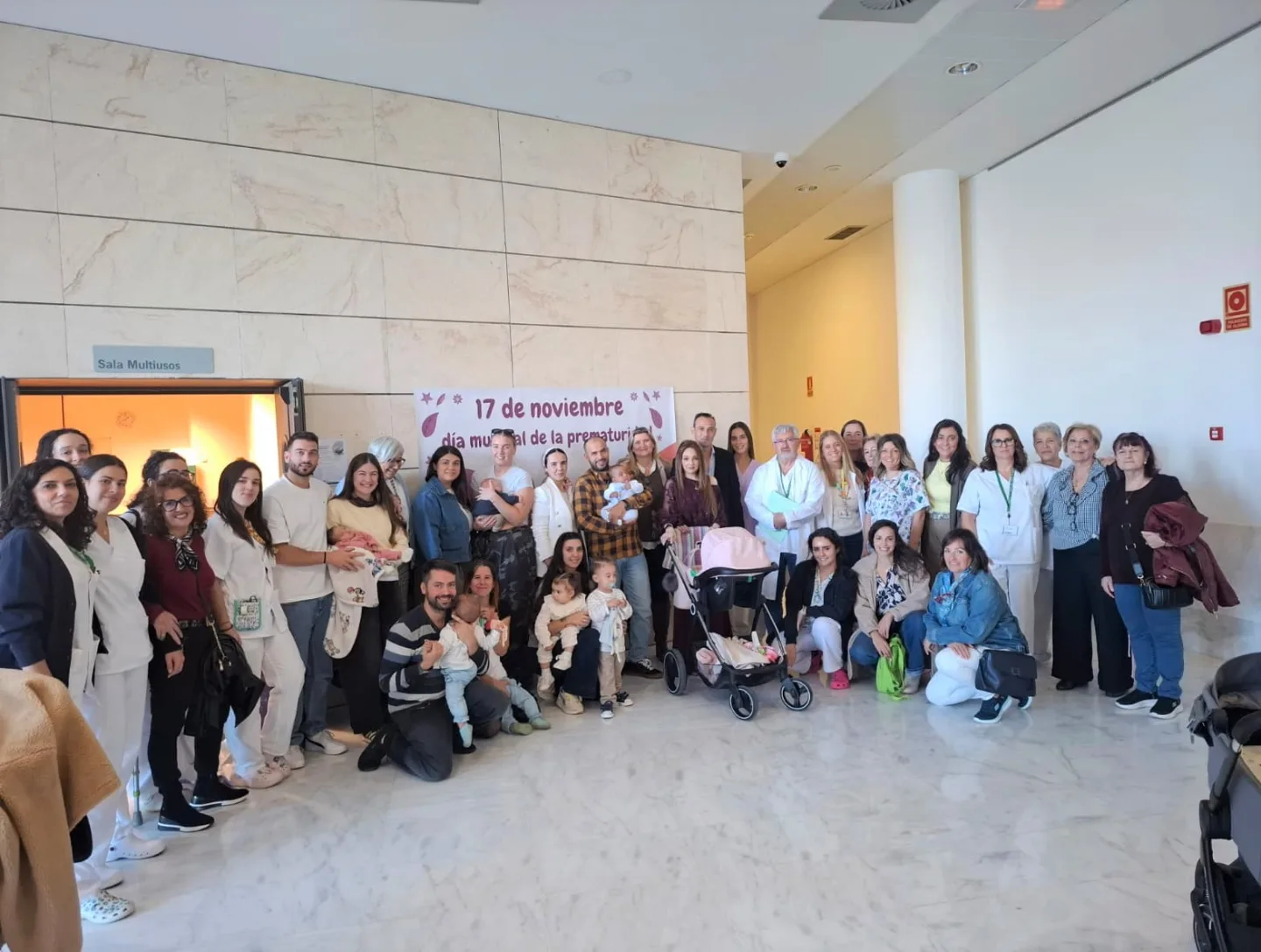
Un grupo de personas, algunas con bebés y un carrito, posa junto a una pancarta sobre el Día Mundial de la Prematuridad en el interior de un edificio.
Photo: Servicio Andaluz de Salud
Four families of children born prematurely and the professionals from the Neonatal Unit who cared for them meet this Monday at the Hospital Universitario Clínico San Cecilio in Granada. The meeting, on the eve of World Prematurity Day, which is celebrated on November 17, goes through the stages these families go through: from birth and the stay in Neonatology to discharge and the first days at home. Between January and October 2026, the Neonatal Unit of the Clínico San Cecilio has cared for about thirty premature babies who have required special care, according to data provided by the Servicio Andaluz de Salud (SAS).

A story of less than 450 grams

The event includes the screening of a video in which Carmen recounts the story of her son Carlos, the premature baby with the lowest birth weight cared for in this unit and who is now 7 years old. Carlos was born weighing less than 450 grams, at 24 weeks of gestation. His mother tells how she experienced the admission and what it meant for her family to accompany him during that stage. The meeting is moderated by José Uberos Fernández, pediatric neonatologist and section head of the Neonatal Unit, and Sonia Velasco Sánchez, supervising nurse of the unit. After the welcome and the presentation of the clinical cases, the families will talk about how they experienced the early arrival of their children and how they gradually took on their care during the admission. Uberos explains that discharge opens a new stage: «In the check-ups we assess how each baby grows and develops and we guide families on the care they need at home». Velasco highlights the participation of mothers and fathers during the admission: «At first, even touching their baby can scare them. We show them how to approach him and how to take part in his care, step by step and according to his progress». In the final part, the families will share what they have learned and what they would like to pass on to those who are now going through a similar experience. The meeting will conclude with an open dialogue with those attending and the screening of a video about the Neonatal Unit. The event also includes the Asociación Sociocultural de Mayores en Marcha de Monachil, which regularly collaborates with the unit and has provided nursing pillows and fabric letters to identify the incubators with each baby's name, and the Abuelas Nórdicas de Almuñécar, who have brought handmade blankets and octopuses for the newborns and their families. The hospital's managing director, Manuel Reyes Nadal, stresses the contribution of the families: «Those who have been through the unit can tell us at what moments they needed more information or what helped them feel accompanied».

Shall we let you know what matters?

Phone alerts

Change or remove it in my alerts

What it's about Health