Childhood obesity will no longer be measured only with the body mass index (BMI) in Andalusian health centres. The new ÓrbiTA programme, approved by the Governing Council of the Junta de Andalucía on October 14, will start operating in the first quarter of 2027 and will change the way this disease is detected and treated throughout the community.
The plan is aimed at children and adolescents between 2 and 18 years of age treated in the Andalusian Public Health System (SSPA) who have obesity risk factors or a high BMI. Detection will begin in the check-ups of the Child Health Programme (PSI) from the age of 2. After that, a screening will be carried out with the BMI and, if the diagnosis is confirmed, an individualised follow-up will begin, with referral to specialised care when the established criteria are met.
BMI stops being the only diagnostic criterion and becomes a screening tool. Diet, physical condition, other associated diseases, screen time, emotional health and sleep will be added. The programme foresees a follow-up of up to 18 months with the family at the centre of the intervention, adapted to each household, and seeks to treat obesity without stigmatising and beyond calorie restrictions.
In Andalucía, 35.6% of children between 2 and 15 years of age were overweight last year, according to the Andalusian Observatory for Children and Adolescents: 19.8% with overweight and 15.9% with obesity. Sedentary lifestyles, sleep, diet, mental health and the family's socioeconomic conditions appear among the associated factors.
The Andalusian Health Service treated 32,538 children between 6 and 17 years of age for obesity in 2025, according to the Andalusian Statistical Data Bank (BADEA). Of these, 11,079 were between 6 and 11 years old; 13,815, between 12 and 15 years old, and 7,644, between 16 and 17 years old.
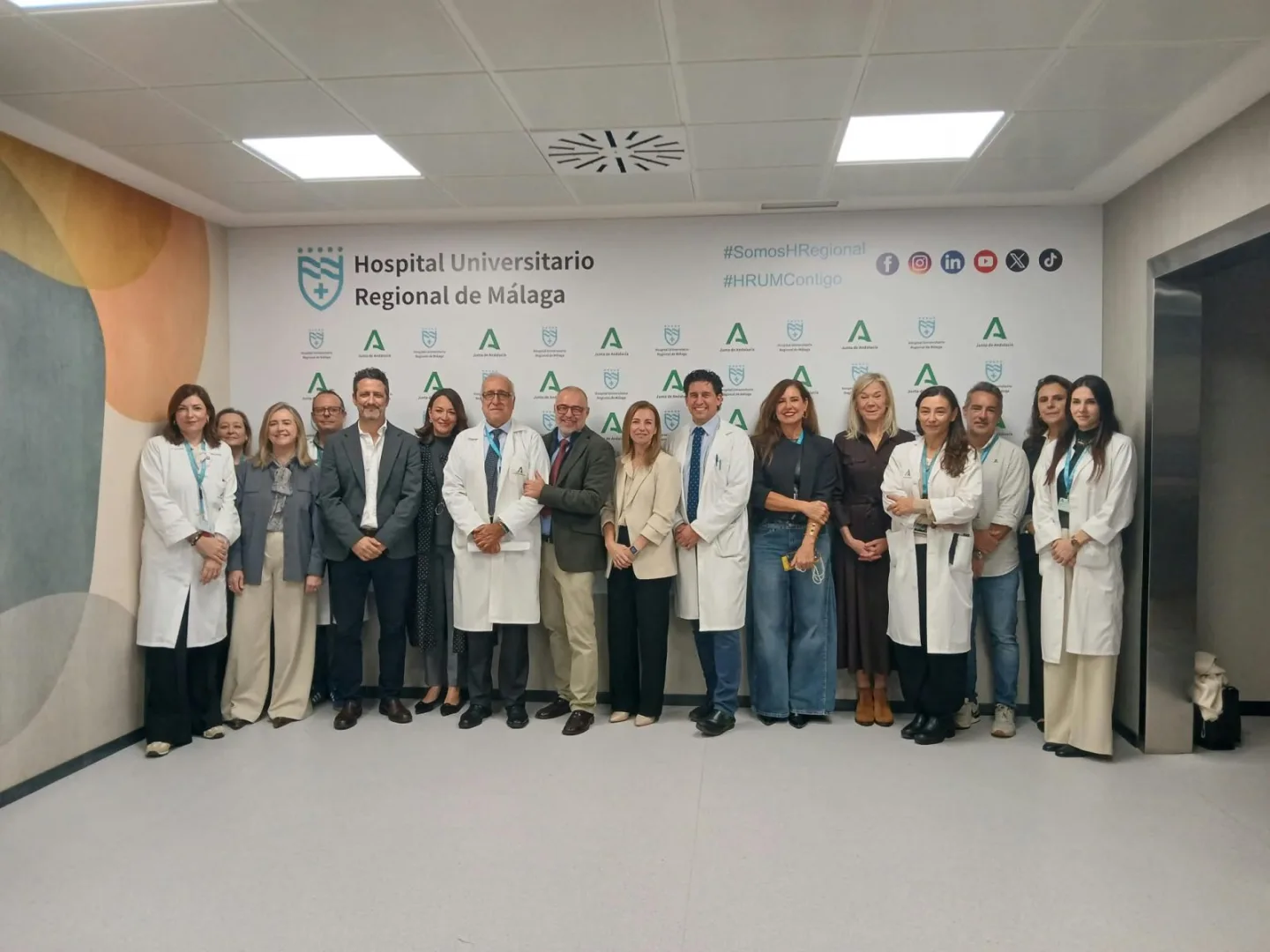
The programme is promoted by the Regional Ministry of the Presidency, Health and Emergencies, through the General Secretariat for Public Health and Health Promotion. Implementation will fall to paediatricians, family doctors, paediatric and family nurses, school reference nurses and social workers in Primary Care, who have been receiving specific training since last October. The Hospital Universitario
Regional de Málaga hosted this Friday, November 6, an event to present the model to professionals and scientific, educational and social organisations.
If a family refuses to participate, they will continue to be offered periodic appointments, recommendations and motivational interviews, with the support of school nurses and social workers when necessary. The result will be measured by weight stabilisation according to age, improvement of associated diseases, maintenance of healthy habits, family adherence and the minor's quality of life.